Python Development Training - Full Roadmap, Projects & Salary in Chennai
.jpg.jpeg)
In 2026, Python remains a leading force in the programming world. Professionals rely on it for web applications, automation, data analytics, AI systems and backend development, which makes it one of the most flexible and highly sought-after languages in the technology industry.
If you are looking for Python Development Training in Chennai, this guide explains the complete roadmap, structured syllabus, real-time project-based learning approach, career opportunities, salary trends in Chennai and placement assistance support - without making exaggerated claims.
Why Python Development Is a Strong Career Path in 2026
Python dominates across industries because developers value its simplicity, scalability and vast library ecosystem.
Companies rely on Python to:
- Develop web applications
- Build backend APIs
- Automate workflows and scripting tasks
- Perform data analysis and visualization
- Create machine learning and AI solutions
- Develop cloud-based applications
Chennai's IT ecosystem - including SaaS companies, fintech startups, healthcare tech firms and product-based organizations - actively hires Python developers for backend development and automation roles.
Complete Python Development Roadmap (Step-by-Step)
A structured Python Development course in Chennai must follow a progressive roadmap. If trainers skip the fundamentals, they create weak foundations and long-term skill gaps.
1. Core Python Programming
Strong fundamentals are non-negotiable. If you ignore the basics, you will struggle with advanced development later.
The course must cover:
- Python syntax and variables
- Data types (list, tuple, dictionary, set)
- Conditional statements
- Loops (for, while)
- Functions and scope
- Object-Oriented Programming (OOP)
- Exception handling
- File handling (read/write files)
Core Python develops programming logic and sharpens problem-solving ability. Without this foundation, everything else becomes superficial knowledge.
2. Advanced Python Concepts
After mastering the fundamentals, the course must move into advanced topics. Stopping at basics produces entry-level coders, not professionals.
The program should cover:
- Decorators and generators
- Lambda functions and map/filter/reduce
- Modules and packages
- Virtual environments (venv, pip)
- Multithreading fundamentals
- API integration with requests
Advanced Python concepts separate average programmers from serious developers. If someone cannot understand decorators, manage environments or integrate APIs, they are not ready for real-world backend or automation work.
3. Database Integration (SQL + Python)
Backend development demands solid database knowledge. If you don't understand how data is stored and retrieved, you cannot build reliable backend systems.
The curriculum must include:
- SQL fundamentals (SELECT, INSERT, UPDATE, DELETE)
- Working with MySQL or PostgreSQL
- Connecting Python applications to databases
- Performing CRUD operations
- Understanding ORM basics (SQLAlchemy)
Without database integration skills, backend development remains incomplete and impractical.
4. Web Development with Python (Django / Flask)
Web frameworks play a critical role in real-world application development. Writing standalone scripts is not the same as building production-ready web systems.
Key modules should include:
- Django or Flask framework
- MVC/MVT architecture
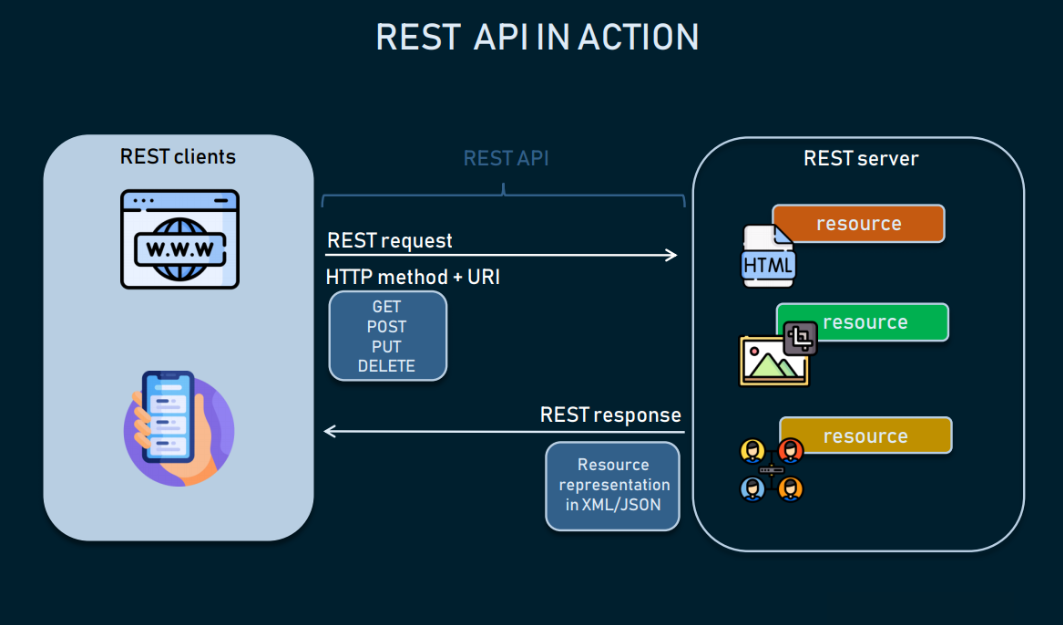
- Building REST APIs
- Implementing authentication systems
- Handling forms properly
- Configuring the admin panel
- Understanding deployment fundamentals
Django powers many scalable web applications because it offers built-in security, structured architecture and rapid development capabilities. If a course skips framework-based development, it does not prepare students for actual industry requirements.
.png)
5. Frontend Basics (For Full Stack Path)
If you offer Python Full Stack Developer training, you must cover the frontend stack as well. Otherwise, calling it full stack is misleading.
The program should include:
- HTML5 and CSS3
- JavaScript fundamentals
- Bootstrap framework
- API integration with frontend
These components allow learners to build complete, end-to-end web applications instead of depending on someone else for the front end. Without this layer, they remain backend developers - not full-stack engineers.
6. Version Control & Deployment
Professional developers must understand deployment. Writing code is only half the job - delivering it properly matters just as much.
The curriculum should cover:
- Git and GitHub basics
- Version control workflows (branching, merging, pull requests)
- Hosting applications on servers
- Basic cloud deployment concepts (AWS, Heroku)
Without deployment knowledge, developers remain dependent on others to release their work. Real professionals own the full lifecycle - from writing code to pushing it live.
For additional insights into Git workflows, branching strategies and collaboration practices, Learn more about Git and GitHub training in Chennai.
Real-Time Project-Based Training Approach
Structured Python development training does not confine learners to fixed demo templates. It trains them to build real-time applications independently from the ground up.
The program prepares learners to:
- Design application logic clearly
- Build backend APIs
- Integrate databases efficiently
- Debug and resolve errors systematically
- Deploy web applications properly
- Write clean, maintainable code
The focus stays on developing the ability to handle real-world projects without constant guidance. That independence mirrors professional environments and determines whether someone can actually perform on the job - not just complete classroom exercises.
Career Opportunities After Python Development Training
After completing a Python programming course in Chennai, professionals can apply for roles such as:
- Python Developer
- Backend Developer
- Full Stack Python Developer
- Software Developer
- Web Application Developer
- API Developer
- Automation Engineer
In Chennai, the following industries actively hire Python developers:
Python allows professionals to expand into data science, DevOps automation, and artificial intelligence as they grow in their careers.

Top Python Interview Questions & Answers 2026